

Across many European cities, dogs are part of the daily street scene. They ride trams, sit under café tables, wait outside small shops and walk through crowded squares. For many urban residents, a dog is not only a companion but also a way to connect with neighbours and local places. As more people live in apartments rather than houses with gardens, the question of how pets fit into dense urban life has become more visible.
For city dwellers, mornings often begin with a quick scan of messages and news, a short coffee, and a first walk around the block with the dog; some may check transport updates, glance at local headlines or read more on a sports site before clipping on the lead and heading outside. These everyday routines show how pet ownership intersects with wider patterns of mobility, work and digital habits, rather than standing apart as a purely private hobby.
Urban Dog Culture and Social Norms
Dog culture in European cities is shaped by rules, space and unspoken expectations. In some cities, dogs are allowed on most forms of public transport, provided they wear a muzzle or travel in a carrier. In others, special tickets or time limits apply. These rules reflect differing ideas about the balance between individual freedom and collective comfort.
Social norms matter as much as formal regulations. In some northern and central European cities, strong emphasis is placed on dog training, waste collection and keeping animals close in busy areas. Owners who ignore these norms may face public criticism as well as fines. In parts of southern or eastern Europe, attitudes can be slightly looser in residential districts, with more informal networks of neighbours helping each other with walks and feeding. Yet here too, expectations are changing as cities densify and residents call for cleaner pavements and quieter nights.
The dog also carries symbolic weight. For older residents, a dog may represent continuity in districts under rapid redevelopment. For young professionals, it may signal a chosen form of responsibility in a life that delays or avoids children. These meanings feed back into policy debates on issues like access to housing, green spaces and public transport.
Pet-Friendly Cafés: Shared Spaces and Social Capital
Pet-friendly cafés are a visible sign of how cities adapt to companion animals. In many European capitals and medium-sized towns, it is now common to see bowls of water near café terraces and small signs stating that dogs are welcome inside, at least in certain areas. These gestures cost little but signal that pets and owners are seen as desirable customers rather than as problems.
From a social point of view, such cafés help create weak ties between strangers. Conversations start easily when a dog nudges a nearby table or lies across a passage. Owners exchange tips about vets, trainers or parks, and café staff often learn the animals’ names alongside those of regular human visitors. In this way, dogs act as bridges between social circles that might otherwise remain separate: students, retirees, remote workers, families.
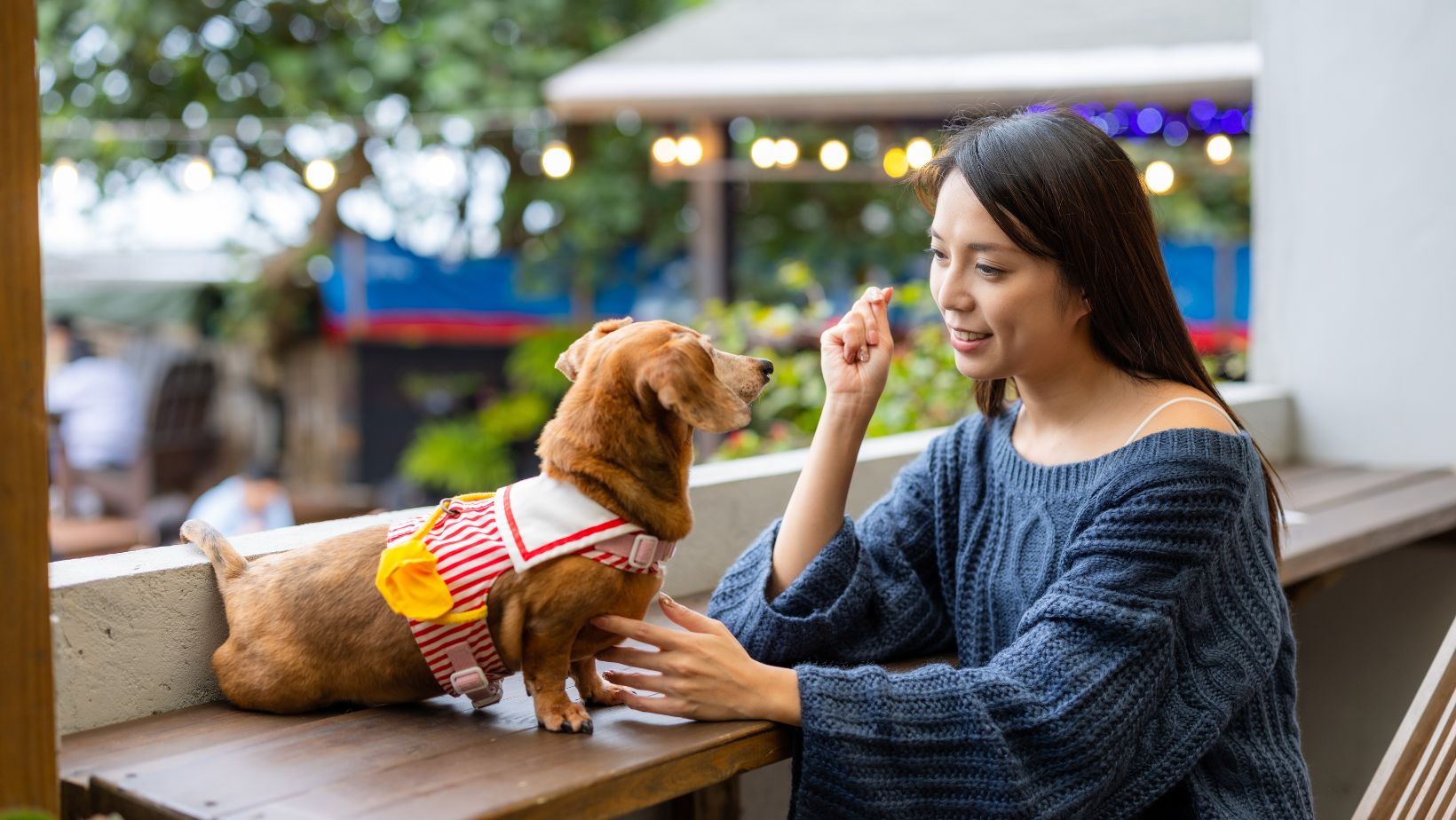
However, pet-friendly policies also raise questions. Not everyone feels comfortable sharing indoor space with animals, especially when food is served. People with allergies, phobias or certain religious observances may feel excluded if the only lively local meeting places are heavily oriented towards dog owners. City authorities and businesses must therefore think about variation: some cafés very open to animals, others clearly reserved for humans only, with transparent information so residents can choose accordingly.
Parks, Green Spaces and Territorial Negotiation
Parks and green spaces are central to the relationship between pets and European cities. For many urban dogs, these areas provide the main chance to run freely, interact with other animals and explore smells beyond the narrow range of pavements. Municipalities respond by setting aside fenced dog runs, marked off-leash zones or specific time windows when dogs can be free in certain fields.
These arrangements are practical but also political. Different groups compete, sometimes silently, for priority access to green space: parents with small children, joggers, older people seeking quiet, people walking alone, organised sports teams. When dogs run loose in playgrounds or sports fields, tension rises; when owners feel welcome nowhere, they may push back against restrictions. Negotiated compromise becomes the norm: clear signs, separate entrances, surface choices that make cleaning easier, and enforcement that targets behaviour rather than dog size alone.
Urban planning plays a long-term role here. Dense new districts built with only small patches of grass will struggle to accommodate rising pet populations, leading to conflict and frustration. On the other hand, small design decisions—wider paths, bins with bags, low fencing that separates zones without blocking sightlines—can reduce friction and make coexistence smoother.
Housing, Mobility and Unequal Access to Pet Ownership
The presence of dogs in European cities also highlights inequalities. In many rental markets, landlords either ban pets or restrict them to small animals, often on the basis of noise or potential damage. This limits pet ownership to those who can access more flexible housing, often through ownership or specific social housing rules. People in precarious housing situations may have to give up animals when they move, creating emotional stress and pressure on shelters.
Mobility patterns add another layer. In cities where most daily travel is done on foot, by bicycle or by public transport, owning a medium or large dog requires confidence in managing the animal around strangers and traffic. In car-dependent suburbs, access to open space may be easier, but long commutes reduce the time available for walks and training. The result is that certain social groups, by income, working hours or physical ability, find it easier to provide stable lives for pets than others.
Policy discussions around “pet-friendly cities” sometimes overlook this. Programmes that encourage adoption or celebrate dogs in marketing campaigns may ring hollow if housing rules remain strict, or if support services such as low-cost veterinary care are thinly distributed. A critical view asks who is actually able to benefit from dog-friendly policies and who remains excluded.
Responsibility, Policy and the Future of Pet-Friendly Cities
Looking ahead, European cities are likely to see continued growth in pet ownership, especially among people living alone and couples without children. This trend will put pressure on public space, services and regulations, but it also offers opportunities. Dogs can contribute to perceived safety in streets, stimulate regular walking, and build social connections between residents who might not otherwise meet.
For this potential to be realised, responsibility must be shared. Owners need to follow rules on waste, leads and noise, and to acknowledge that not everyone shares their comfort with animals. City governments can support responsible behaviour through education, accessible training resources, and fair enforcement. Businesses can cater to pet owners without turning every venue into a dog zone, keeping room for those who prefer animal-free spaces.
At a deeper level, debates about pets in European cities reveal different visions of urban life. One vision treats the city as a set of strictly separated functions—homes, workplaces, transport corridors—where animals appear only as problems to manage. Another sees the city as a living environment shared by humans and other species, where thoughtful design and negotiated norms can create room for varied forms of companionship. How European societies choose between these visions, or mix them, will shape not only the experience of dogs and their owners, but also the overall character of urban public life in the years to come.