
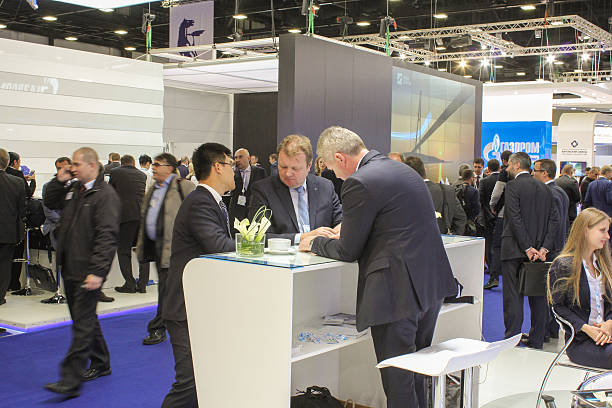
Small exhibitors often compete for attention in busy event halls where larger brands have bigger stands, brighter displays and more staff. That does not mean smaller businesses are at a disadvantage. With smart planning, clear messaging and a focused approach, small exhibitors can create strong visibility and meaningful conversations without needing the largest footprint.
Start With a Clear Event Goal
Before designing a stand or ordering promotional material, exhibitors need to define what success looks like. Some businesses attend events to generate leads. Others want to meet partners, launch a product, build brand awareness or reconnect with existing customers.
A clear goal shapes every decision. A brand focused on lead generation may need a simple demo area and strong follow-up process. A business focused on awareness may need bold visuals and memorable giveaways. Without a goal, it is easy to spend time and money on things that do not support the outcome.
Useful event goals may include:
- Collecting qualified leads
- Booking product demos
- Meeting distributors or suppliers
- Building local brand recognition
- Testing product interest
- Creating social media content
Even digital entertainment brands such as https://www.jokaroom.io/en/ depend on clear visibility and audience fit. The same principle applies to physical exhibitors: attention is useful only when it reaches the right people.
Make the Stand Easy to Understand
Event visitors move quickly. They scan stands, read signs and decide within seconds whether to stop. A small exhibitor needs messaging that is clear from a distance.
The stand should answer three questions:
- Who are you?
- What do you offer?
- Why should someone care?
This does not require long text. In fact, shorter messaging often works better. A strong headline, clean product display and clear call to action can do more than a crowded wall of information.
Small exhibitors should avoid trying to say everything at once. One strong message is easier to remember than five competing claims.
Use Design to Create Presence
A small booth can still feel professional if the design is intentional. Consistent colours, readable signage, good lighting and organised materials help create a polished impression. The aim is not to overwhelm visitors. It is to make the space feel inviting and credible.
Good booth design usually includes:
- A clear brand name or AI logo
- One main visual message
- Tidy product or service displays
- Easy access to brochures or QR codes
- Space for conversation
- Staff who are visible and approachable
Clutter can make a small stand feel even smaller. Clean design helps visitors focus on the offer.
Train Staff for Better Conversations
The people at the booth often matter more than the booth itself. Friendly, informed staff can turn a quick stop into a valuable conversation. Exhibitors should prepare simple talking points before the event, so everyone communicates consistently.
A good event conversation should feel natural. Staff should avoid launching into a long pitch before understanding the visitor’s needs. A few thoughtful questions can make the interaction more useful.
Helpful opening questions include:
- What brings you to the event today?
- Are you looking for a specific type of solution?
- Have you used something like this before?
- What challenge are you trying to solve?
- Would a quick demo be useful?
The best booth staff listen first, then explain how the product or service fits.
Promote Before and During the Event
Visibility should not begin when the doors open. Small exhibitors can create momentum before the event through email, social media, website updates and partner communication. Letting people know where to find the stand can increase foot traffic and create planned meetings.
Before the event, exhibitors can share:
- Booth number
- Product previews
- Meeting booking links
- Special event offers
- Behind-the-scenes setup content
During the event, short updates can keep the brand visible. Photos, quick videos and live posts can help reach people who are attending as well as those following online. The key is to keep content useful, not repetitive.
Capture Leads With a Simple System
A good conversation can be wasted if follow-up information is not captured properly. Small exhibitors need a simple lead system that staff can use quickly. This might be a digital form, badge scanner, QR code, notebook or business card collection process.
The system should record more than a name. Context helps with follow-up.
Useful lead notes may include:
- What the visitor was interested in
- Their role or business type
- Any questions they asked
- Whether they requested a demo or quote
- The best follow-up method
Quick notes can make post-event outreach feel personal rather than generic.
Follow Up While the Event Is Still Fresh
Event visibility does not end when the booth is packed away. Follow-up is where many opportunities are won or lost. Visitors may speak to dozens of exhibitors, so a timely message helps keep the conversation alive.
A strong follow-up should be clear, relevant and connected to the original discussion. It might include a product summary, pricing details, a meeting link or answers to questions raised at the stand.
Small exhibitors should aim to follow up with priority contacts first, then broader leads. A thoughtful message is more effective than a mass email that ignores the visitor’s actual interest.
Small Stands Can Make a Strong Impression
Small exhibitors can maximise event visibility by being focused, clear and prepared. They do not need the biggest booth to attract the right audience. They need a message visitors understand, a stand that feels professional, staff who can hold meaningful conversations and a follow-up system that turns interest into action.
In busy event spaces, clarity often beats size. When a small exhibitor knows exactly who they want to reach and what they want to say, they can stand out for the right reasons.