Let’s be honest. Technology doesn’t always get the best reputation when it comes to wellness. We blame our screens for poor sleep, digital overload for our short attention spans, and endless notifications for rising anxiety levels. But what if tech, the very thing we blame, could also be part of the solution?
The smart home revolution isn’t just about voice-controlled lights or remote-controlled thermostats anymore. It’s becoming a powerful tool in the world of self-care. From creating calmer environments to tracking health in real-time, smart tech is helping us reclaim our time, energy, and peace of mind. It’s about working with technology, not fighting against it.
The Evolution of Self-Care in the Digital Age
Ten years ago, self-care meant carving out time to meditate, eat healthier, or take a hot bath after a long day. Today? It might mean setting up your smart lighting to shift into warm tones at sunset, automatically silencing notifications during your nightly wind-down, or syncing your smart speaker with a guided breathing app.
Tech hasn’t replaced traditional self-care. It’s upgraded it.
What’s changed is accessibility. You no longer need a wellness retreat in the mountains to experience calm. Now, your living room can transform into a sanctuary with the right tech setup.
Your Home, Your Sanctuary
One of the biggest benefits of a smart home is its ability to adapt to you, not the other way around. Feeling stressed? You can program your space to respond. With a simple voice command or automated schedule, your lights dim, your diffuser kicks on, and your “chill out” playlist starts humming through the speakers.
The smartest homes are intuitive. They anticipate your needs and cater to your well-being. Think smart thermostats that learn your body’s ideal sleep temperature and adjust accordingly, or blackout shades that close at dusk to help regulate your circadian rhythm.
Let’s not forget the little details that often get overlooked, like air quality. Smart purifiers now detect allergens and adjust filtration in real-time. For allergy sufferers or city dwellers, this kind of automation isn’t just convenient, it’s a game-changer.
Tech That Helps You Feel More Human
Here’s the beautiful irony: the more advanced our technology gets, the more it’s helping us get back in tune with ourselves. Biofeedback tools like smart rings and wristbands give real-time insights into heart rate variability, sleep cycles, and stress patterns. Over time, this data becomes a mirror, reflecting how your habits impact your well-being.
And it’s not about being perfect. In fact, it’s the opposite. These tools can show you patterns and gently nudge you in the right direction. They can remind you that you’re over-caffeinated, under-rested, or stuck in a stress loop, things you probably already feel, but haven’t had the bandwidth to analyze.
This is where smart wellness intersects with emotional intelligence. When your tech reflects your patterns back to you without judgment, it becomes easier to course-correct.
The Power of Automation in Self-Care
Self-care is often framed as a luxury. Something you get to do after the work is done. But what if self-care was built into your daily routine, almost effortlessly?
Automation makes that possible.
Automated reminders to stretch, hydrate, or breathe aren’t just nagging alerts; they’re gentle cues to pause and return to yourself. Apps now pair with home devices to dim lights during meditation or play ambient sounds for focus sessions.
And here’s where smart supplementation comes into play. Today, even your nutrition can be part of this ecosystem. For example, if your wearable shows you’ve been sleeping poorly or your stress is spiking, you can reach for targeted support, like adaptogenic supplements or calming gummies.
Sites like Mood.com are integrating wellness into this tech-forward world with alternative solutions that support real-life challenges. This is about having the right tools on hand, exactly when you need them.
Setting the Mood Literally
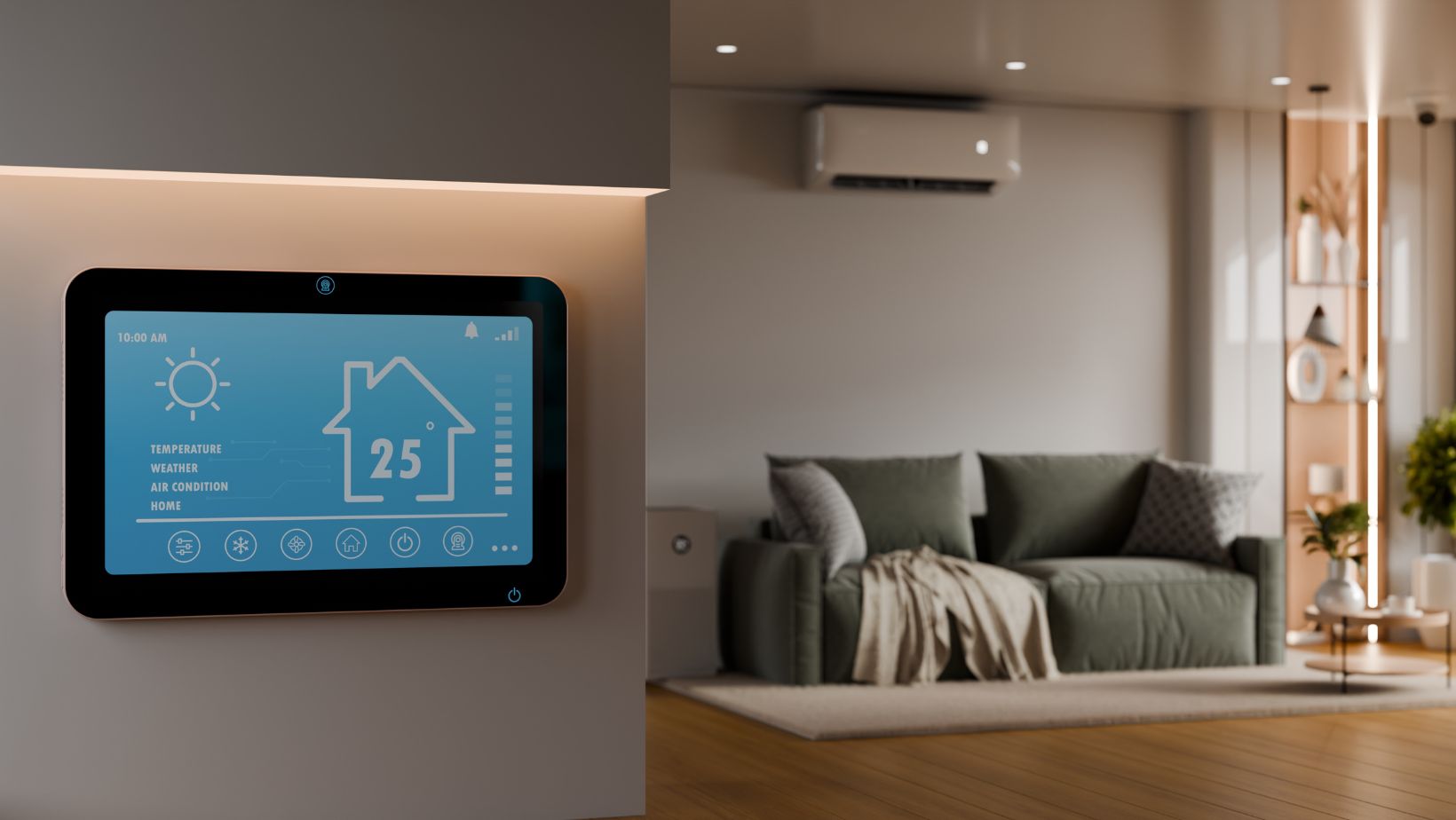
Mood lighting is no longer just a design buzzword. It’s an actual wellness strategy.
Smart bulbs can mimic the natural arc of the sun, helping regulate your energy levels throughout the day. Bright, cool tones in the morning help you wake up. Warm, dim hues at night ease you into rest.
The same goes for sound. Smart speakers now connect with wellness apps to deliver guided meditations, binaural beats, or even AI-generated soundscapes that adapt to your mood. Some systems even monitor noise levels and adjust ambient sounds to keep your space calm and focused.
And yes, scent matters too. Smart diffusers can now release calming essential oils on a timer or based on voice commands. Lavender at bedtime? Peppermint for a midday boost? All doable without lifting a finger.
Digital Boundaries: A Form of Self-Respect
Let’s talk about the other side of the coin: tech boundaries.
Because smart self-care isn’t about being constantly connected. It’s about using tech to protect your time and attention. Features like “Do Not Disturb” modes, app usage limits, and screen-time dashboards are more than productivity tools; they’re boundaries you set for your peace of mind.
Smart homes can support this too. Imagine your home going into “Digital Detox” mode every evening. Screens dim. Notifications pause. Your bedroom lights shift to a soft amber glow. You’ve built a tech-supported boundary without needing willpower.
This isn’t futuristic fantasy; it’s entirely possible with today’s setups.
Wellness Tech Is Personal, Not One-Size-Fits-All
Here’s something that often gets missed in conversations about smart homes: personalization is key.
Your version of wellness might look completely different from mine. Some people need total silence and minimal light to unwind. Others crave ambient music and a gentle breeze. Smart home setups can accommodate that range beautifully.
Whether you’re an early riser who wants your coffee brewing automatically at 6:30 a.m., or a night owl who prefers winding down with a warm-lit living room and mellow jazz, tech now adapts to you.
And isn’t that the dream? A home that knows you, supports you, and helps you take better care of yourself without the overwhelm.
Final Thoughts
Smart homes aren’t just about convenience or cool-factor anymore. They’re quickly becoming a foundation for modern self-care. From lighting that supports your natural rhythms to automation that reminds you to take a breath, tech is stepping up, not to replace human needs, but to enhance how we meet them.