

The landscape of medical education is shifting beneath our feet; not through a sudden seismic event, but via a steady, digital migration. We used to think that the only way to learn how to wield a needle was to stand shoulder-to-shoulder with a mentor in a sterile room. That was the gold standard: the physical presence, the tactile feedback, the hushed whispers of clinical pearls. But as we move through 2026, the traditional apprenticeship model is looking a bit different. The rise of online aesthetic training platforms isn’t just a convenience: it is a response to a world where time is the scarcest resource.
There is a certain irony in it. Aesthetics is a field defined by the physical; the contour of a jawline, the depth of a fold, the specific resistance of tissue. Yet, the most significant growth in how we prepare for these procedures is happening in the ether. Practitioners are no longer bound by geography or the rigid schedules of weekend workshops. They are logging on from home, dissecting 3D anatomical models on their tablets, and watching high-definition injections from angles that would be impossible to achieve while standing in a crowded treatment room.
The Virtual Shift in Clinical Analysis
If we look at the data, the momentum is undeniable. The global aesthetic market is pushing forward with nearly 10% annual growth, and with that comes a desperate need for standardized, accessible education. Digital platforms have stepped into this void. They aren’t just hosting PDFs; they are creating environments. We are seeing a move toward what people call “asynchronous mastery.” You watch, you pause, you rewind. You look at the vascular map of the face until it is burned into your retinas. This kind of repetitive, low-pressure exposure is something a one-day live course can never truly replicate.
The beauty of this virtual transition lies in the breakdown of the “see one, do one, teach one” mantra. In the digital space, it’s more like “see a hundred, simulate twenty, then do one.” This buffer of simulation is where the real safety lies. We are seeing platforms integrate AI-driven assessments and augmented reality to show exactly where a needle would land in relation to the facial artery. It’s analysis in real-time.
Why Digital Classrooms Are Winning
It isn’t just about avoiding a flight or a hotel stay. The logic goes deeper:
- Precision and Perspective: High-resolution cameras can get closer to a lip injection than a human eye can without getting in the injector’s way.
- Anatomical Layering: Digital tools allow for the toggling of skin, muscle, and bone layers, making the relationship between surface and structure clear.
- Complication Management: You can virtually “fail” in a simulation. Seeing the signs of a vascular occlusion on a screen and practicing the protocol repeatedly builds a level of calm that is hard to manufacture in person.
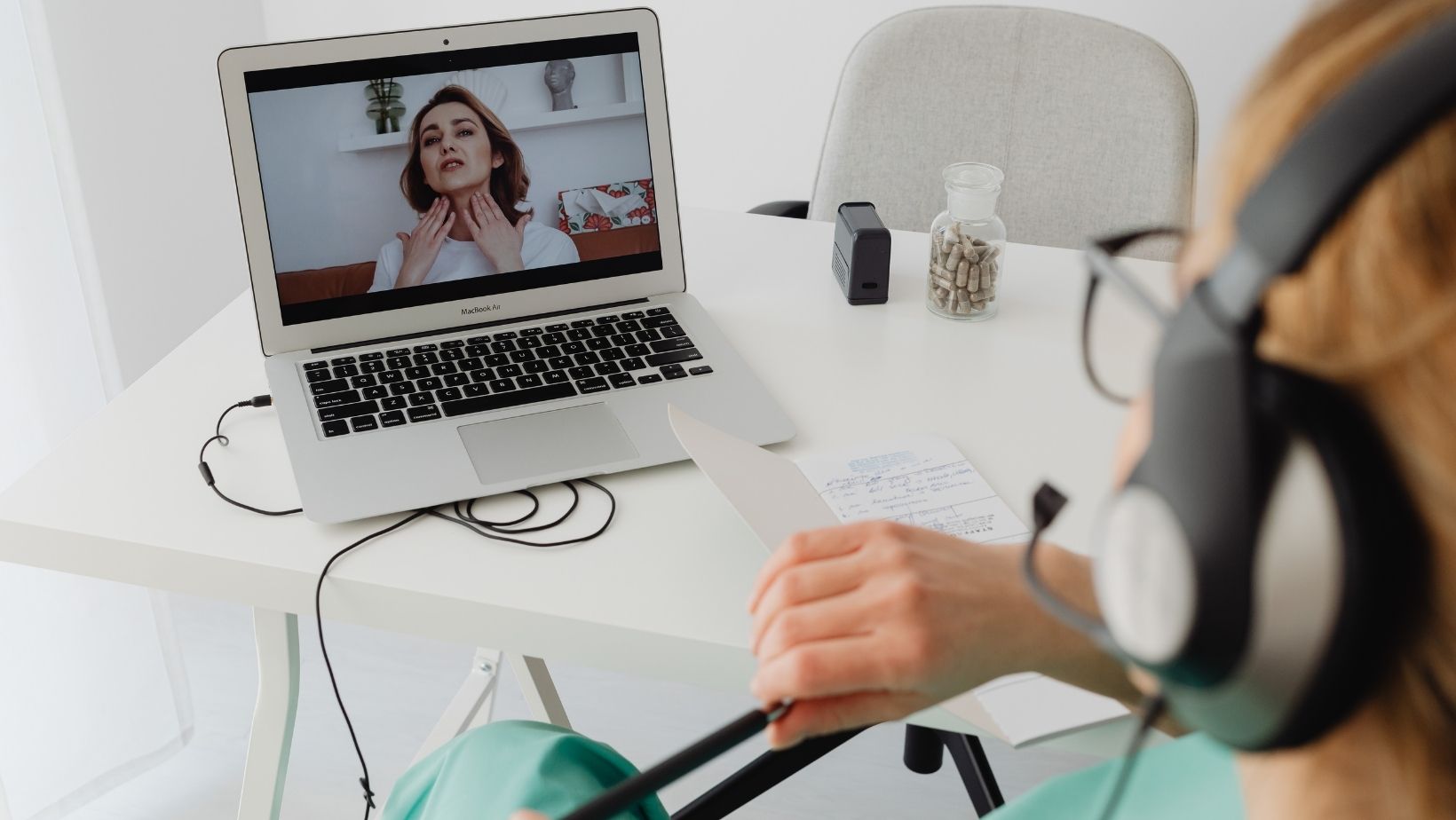
When professionals look for a way to bridge the gap between basic medical knowledge and high-level aesthetic artistry, the quality of the curriculum becomes the only thing that matters. There is a specific kind of depth required to move from being someone who knows how to use a syringe to someone who understands the harmony of the face. This involves looking at the science of aging, the chemistry of different products, and the nuance of patient selection. Many practitioners find that a structured, module-based approach allows them to absorb these complexities without the cognitive overload of a frantic clinical day. Accessing a library of HubMedEd courses provides that foundation; offering a way to study the intricate dance of needles and nerves before ever touching a patient.
The Hybrid Reality of 2026
We have to be honest: the screen has its limits. You cannot feel the “pop” of a needle passing through the SMAS layer through a MacBook Pro. This is why the conversation has shifted toward a hybrid model. The theory, the anatomy, the business logic, and the legalities? That stays online. The final, high-stakes physical execution? That stays in the clinic.
This division of labor makes the entire industry more efficient. If a student shows up to a hands-on day already knowing the safety zones and the product rheology, the mentor doesn’t have to waste time lecturing. They can focus entirely on the hand-to-eye coordination. It makes the physical training sessions more intense and much more valuable.
Navigating the Sea of Options
The challenge now is the sheer volume of content. Everyone with a ring light and a filler habit seems to have a “masterclass” these days. This is where the industry is starting to self-regulate through accreditation. Credibility in 2026 isn’t just about how many followers an injector has; it’s about whether their digital curriculum stands up to the scrutiny of educational boards.
The platforms that are surviving are the ones that treat online learning as a serious academic pursuit. They use quizzes that actually challenge the learner. They host live Q&A sessions where the “why” is explored as much as the “how.” They create communities where practitioners can post their own cases for peer review. It’s a democratization of knowledge that was previously guarded by a small circle of elite trainers.
Breaking Down the Barriers
There used to be a massive barrier to entry for clinicians in rural areas or those working full-time in the NHS or private hospitals. Taking four days off for a course was a logistical nightmare. Now, that barrier is largely gone. A nurse in a remote town can access the same level of anatomical training as someone in central London.
This accessibility is also changing the demographic of the industry. We are seeing a more diverse range of medical professionals entering the field, bringing different perspectives on patient care. The “rise” of these platforms is really just the industry catching up to how we live our lives. We shop online, we bank online, and now, we build our clinical foundations online.
Looking Toward the Future
What comes next is probably even more immersive. We are already seeing the first iterations of haptic gloves that can simulate the resistance of skin when paired with a VR headset. Imagine practicing a deep supraperiosteal injection and actually feeling the bone through a digital interface. We aren’t quite there for the mass market yet, but the trajectory is clear.
The focus is moving away from the novelty of the tech and toward the results it produces. If a digitally-trained injector has a lower complication rate and higher patient satisfaction, then the argument for virtual education is won. And so far, the evidence suggests that a well-prepared mind is the best tool an injector can have.
- Risk-Free Repetition: The ability to repeat a module until the concepts are second nature.
- Global Networking: Learning from international experts who would never be able to tour every small city.
- Data-Driven Learning: Platforms can track where students struggle and update their content in real-time to address those gaps.
The virtualization of clinical education isn’t a replacement for the human touch; it’s a way to ensure that when that touch happens, it is informed, precise, and safe. We are moving into an era where the “rising” tide of digital knowledge is lifting the standards of the entire profession. It is a good time to be a learner. The classroom is wherever you decide to open your laptop.