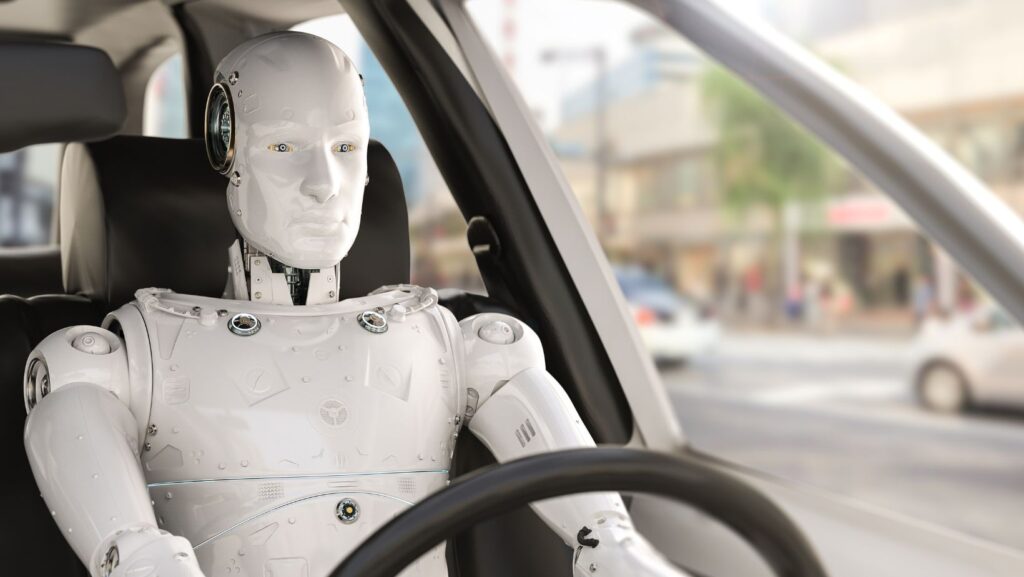
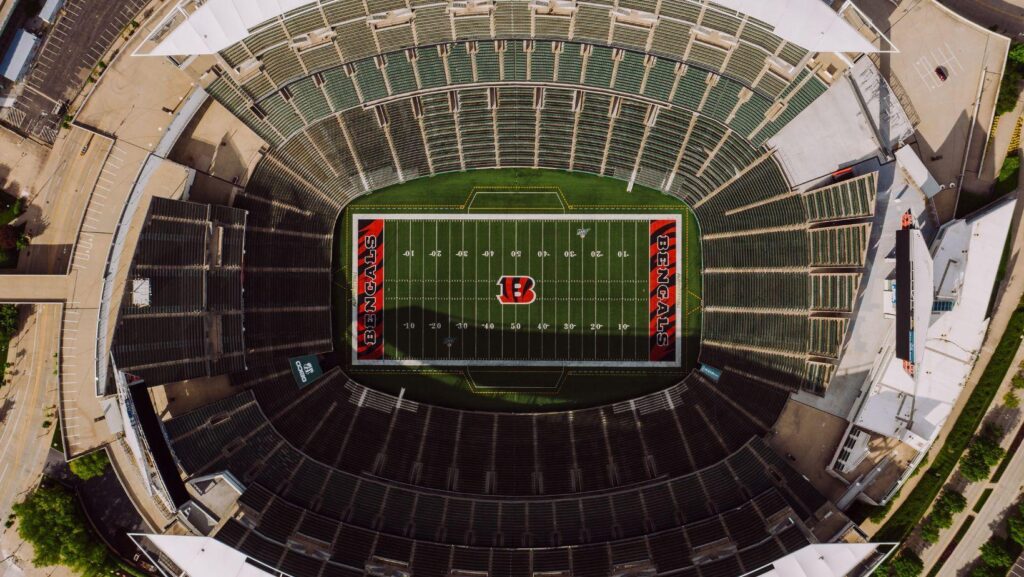
The NFL has always been a game of power, speed, instinct, and preparation. But as the 2026 season approaches, another force is becoming central to the league’s future: artificial intelligence.
From the way the schedule is built to how teams study opponents, manage player health, and engage fans, AI is now woven into the NFL experience. The upcoming season begins with the defending champion Seattle Seahawks hosting the New England Patriots on September 9, followed by the league’s first regular-season game in Australia between the Rams and 49ers. With storylines already building, fans are using more data than ever to track matchups on the DraftKings site, not only for fantasy projections, but injuries and football betting markets too.
That data-driven environment makes AI a natural fit. The NFL is no longer just relying on what scouts see, coaches feel, or analysts predict. It is using technology to process millions of details that would be impossible for humans to evaluate at the same speed.
AI Is Changing How the NFL Builds the Schedule
The NFL schedule looks simple when it is released, but creating it is one of the league’s most complex annual tasks. Every team plays 17 regular-season games, with travel, stadium availability, competitive balance, broadcast windows, division rivalries, holidays, international games, and rest periods all needing to fit together.
AI and cloud computing help the league sort through enormous numbers of possible schedule combinations. That matters because the schedule can shape a season. A short week after a physical division game, a three-game road stretch, or a late-season travel burden can affect preparation and performance.
By using advanced computing, the NFL can build a schedule that balances entertainment, fairness, and logistics more effectively than manual planning ever could.
Next Gen Stats Turn Every Play Into Data
AI’s biggest impact may be on how the game itself is understood. Through player tracking and Next Gen Stats, the NFL can measure speed, separation, acceleration, route depth, pressure probability, completion probability, and countless other details in real time.
This has changed how fans talk about football. A receiver is not just “open” anymore. Analysts can explain how much separation he created, how fast he accelerated, and how difficult the throw was. A pass rusher is not judged only by sacks. Pressure rate, get-off speed, and disruption all tell a fuller story.
For coaches and front offices, this information can support game planning, roster building, and player development. For fans, it makes broadcasts smarter and debates more informed.
Player Health Is Becoming Predictive
One of the most important uses of AI in the NFL is player safety. The league’s Digital Athlete platform uses data from games, practices, video, tracking systems, and other inputs to help teams understand injury risk and physical workload.
Instead of only reacting after a player gets hurt, teams can use AI-supported insights to adjust training, recovery, and practice plans. If a player’s workload spikes, movement patterns change, or fatigue becomes a concern, staff can respond earlier.
This does not remove injury from football. The sport will always involve contact and risk. But it gives teams better tools to protect athletes and keep them available. In a league where one missing star can change a playoff race, smarter health management is a competitive advantage.
AI Supports Coaching, Scouting, and Strategy
NFL coaches still make the final decisions, but AI can help them see patterns faster. Teams can analyze opponent tendencies, personnel groupings, fourth-down choices, red-zone habits, blitz rates, and coverage trends with more precision.
Scouting is also evolving. Data models can help identify players whose production, athletic traits, or usage patterns suggest future upside. AI does not replace film study, interviews, or human judgment, but it adds another layer of evidence.
The best organizations will likely be the ones that blend both worlds: the instincts of experienced football minds and the scale of modern analytics.
Fans Are Getting a More Personalized NFL
AI is also changing how fans experience the league. Highlights can be recommended based on favorite teams or players. Fantasy football tools can process matchups and injury updates quickly. Broadcasts can use advanced graphics to explain plays in real time. Apps can deliver more personalized alerts, stats, and content.
This is especially important for younger fans who expect sports to feel interactive, immediate, and tailored. The NFL is not just competing with other sports. It is competing with gaming, streaming, social media, and endless digital entertainment. AI helps football stay relevant in that environment.
The Human Game Still Comes First
For all the technology involved, AI will not replace the heart of the NFL. It cannot duplicate the pressure of a fourth-quarter drive, the leadership of a veteran quarterback, or the emotion of a rivalry game. Football is still played by people, coached by people, and loved by people.
But AI is changing the margins. It helps teams prepare smarter, helps players recover better, helps fans understand more, and helps the league operate at a scale that matches its global ambitions.
The future of the NFL will not be humans versus machines. It will be humans using machines to make the game faster, safer, smarter, and more connected than ever.