
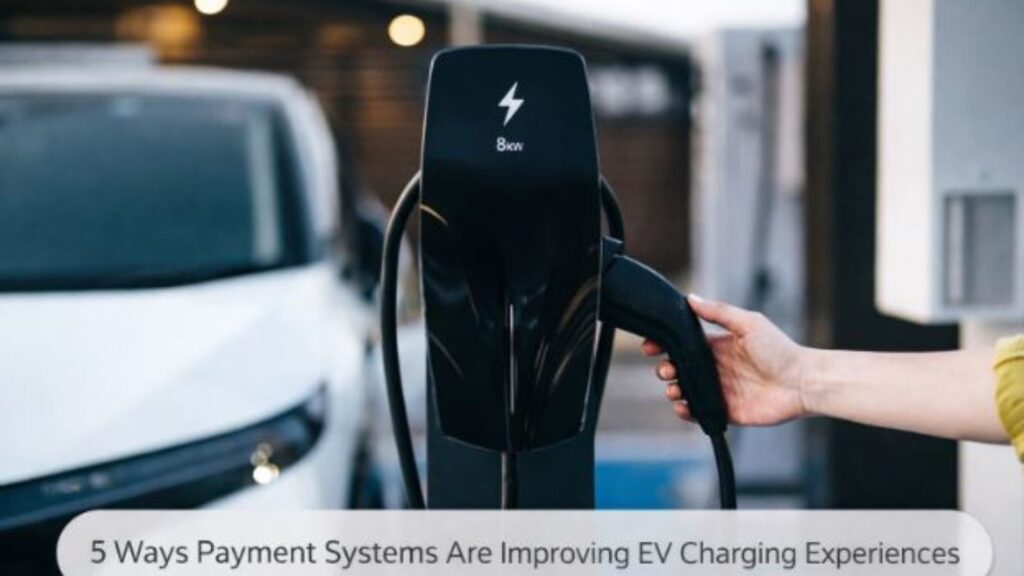
Electric mobility is no longer just a dream; it’s becoming a reality. But “charging anxiety” makes it hard for many people who want to drive to switch from gas-powered cars to electric vehicles (EVs). People are most worried about the range of electric cars’ batteries, but the real problem is often how the payment system for charging stations works.
At first, drivers had to carry many RFID cards or download many apps just to “refuel” during a cross-country trip. The fintech and automotive industries are working together today to fix these issues. With new payment technologies, it’s as easy to pay for and authorize energy as it is to own an electric vehicle.
Here are five ways advanced payment systems are changing how business owners and drivers pay to charge their electric cars.
1. The Rise of “Plug and Charge” (ISO 15118)
The gold standard for a frictionless charging experience is “Plug and Charge.” Under ISO 15118, this technology enables the vehicle to communicate with the charging station via a detailed digital handshake.
Once a driver inserts the connector into the car, the station scans the vehicle’s unique digital certificate, links it to the owner’s existing online payment account, and launches the session immediately.
Apps are unnecessary, and physical credit cards and scanning rain-resistant QR codes will not be required. This contactless payment method emulates the seamless experience first introduced by Tesla’s Supercharger network and is now being deployed on universal chargers for the public.
For the driver, this eliminates the app fatigue of managing multiple network accounts. For the charging point operator (CPO), it reduces hardware wear and tear on physical card readers. In turn, this shortens transaction time, improving the “throughput” of the electric car charging station’s payment system during peak travel periods.
2. Universal Contactless EMV Integration
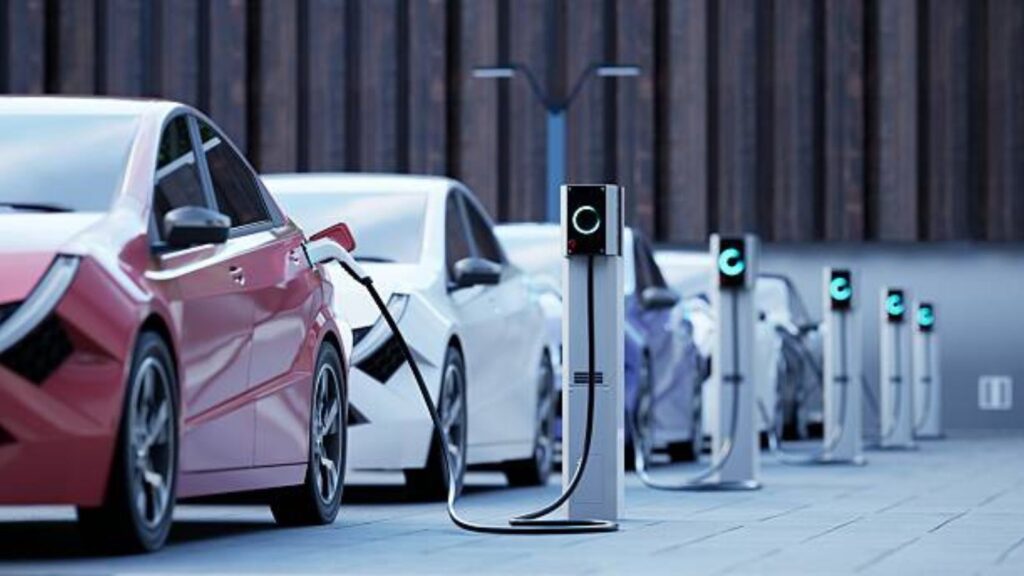
One of the biggest frustrations for early EV adopters was the “walled garden” approach, where chargers only functioned for members of a specific network or those with a proprietary RFID tag. To address this, the regulatory authorities in the UK and the EU have required that a physical contactless credit/debit card reader be incorporated into all new high-powered charging hubs.
With the implementation of EMV (Europay, Mastercard, and Visa) technology, charging is also ad hoc; i.e., you can charge up to the equivalent of a liter of petrol, and the same applies to electricity. This implies that a customer can park at any station and pay with a physical card or a smartphone wallet, such as Apple Pay or Google Pay, with no account required and no long-term commitment.
This is the pillar of consumer confidence for long-distance travel. It also ensures that the charging infrastructure is affordable for all, including tourists, car renters, and occasional drivers, regardless of which mobility service provider they subscribe to.
By aligning the payment systems of electric car charging stations with current retail habits, the industry is eliminating the psychological payment anxiety that has always haunted the shift to sustainable transport.
3. Dynamic Pricing and Transparent Billing
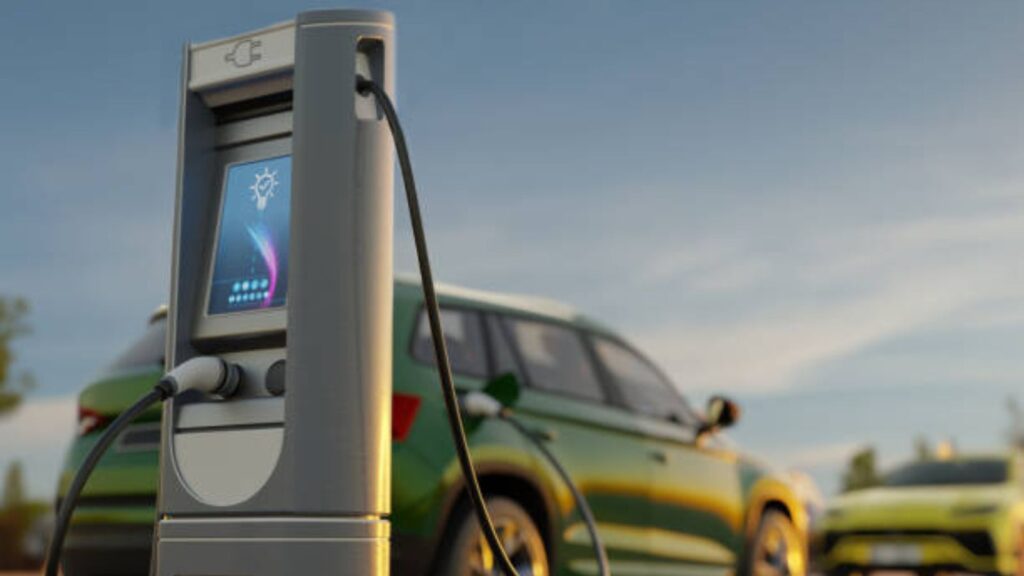
Trust in the business world is based on transparency. Older charging systems left drivers guessing about the final cost until the end of the session. Modern payment gateways now incorporate real-time dynamic pricing models that display prices on station screens or in embedded vehicle dashboards.
Those systems can adjust prices according to:
- Time-of-use: Reduced rates during off-peak periods to balance the grid.
- Occupancy: Drivers should be encouraged to move their cars after charging to eliminate idle fees.
- Energy Source: There are premium stations that offer green-only energy at varying prices.
Payment systems are removing the shock of the bill by providing a clear breakdown of kilowatt-hours (kWh) and the tax customers pay in real time.
4. Fleet Management and Automated Expense Reporting
For companies, paying for electricity is not the problem; the issue is accounting for it. There is an emergence of payment systems that cater to the complicated fleet requirements. Multi-card fuel cards have also been provided with the ability to charge electric vehicles, allowing drivers to top up their fuel account with petrol, diesel, and electricity.
In addition, advanced back-end systems automatically produce detailed VAT-compliant receipts and expense reports. This is a game-changer for the take-home fleets, in which employees bill the company for vans parked at their homes.
The payment system will record the exact amount of energy used for work and automatically refund the employee’s personal utility bill, eliminating a significant administrative nightmare for the HR and finance departments.
5. Enhanced Cybersecurity and Data Privacy
With the introduction of charging stations into the IoT network, there is a risk of cyberattacks. A poorly secured payment system at electric car charging stations may pose a risk of exposing a user’s financial information or even the vehicle’s onboard computer.
The most recent generation of payment hardware uses point-to-point encryption (P2PE) and tokenization. When you swipe your card, your real card number is never saved on the charging terminal. Instead, a digital token is used to complete the transaction.
Such a high level of security not only protects consumers but also protects the charging network provider’s reputation, ensuring that the move to green energy is not marred by data theft.
Comparison: Traditional vs. Modern Payment Experiences
| Feature | Legacy Systems | Modern Payment Systems (2026) |
| Access Method | Network-specific RFID/App | Contactless EMV / Plug and Charge |
| Price Transparency | Hidden or Post-session | Real-time on-screen tracking |
| Fleet Integration | Manual Reimbursement | Automated Billing & Fuel Card Sync |
| User Onboarding | High (Sign-up required) | Zero (Ad-hoc payment) |
| Security | Basic Magnetic Stripe/QR | Tokenization & P2PE Encryption |
Final Thoughts
The evolution of the electric car charging stations’ payment system is the “unsung hero” of the green transition. While faster charging speeds and longer battery life grab the headlines, the simplicity of the transaction is what will ultimately win over the mass market.
By prioritizing interoperability, transparency, and security, payment providers are transforming a complex technical hurdle into a routine part of daily life. As these technologies become standard, the “anxiety” of EV charging will be replaced by the convenience of a truly connected, global energy network.